Interpret Your Birth Flower's Symbolism and Understand Its Emblem
Posted on 17/08/2025

Interpret Your Birth Flower's Symbolism and Understand Its Emblem
Birth flowers have captured human imagination for centuries, uniting the realms of botany, folklore, and personal identity. As unique as birthstones, the emblematic birth flower for each month offers layers of meaning--connecting individuals to nature, history, and symbolism. In this comprehensive article, you'll discover the intricate symbolism of birth flowers, the meaning behind each monthly bloom, and how you can interpret your own birth flower's emblem for insight, celebration, and self-understanding.
What Is a Birth Flower and Why Does It Matter?
A birth flower is a blossom traditionally associated with a person's birth month, much like a birthstone. These floral representations have deep roots in cultures worldwide, reflecting values, wishes, and even superstitions. Understanding your birth flower's symbolism is more than a fun fact--it invites reflection and connection to your unique journey.
- Personal Identity: Your birth flower emphasizes qualities that may resonate with your character.
- Gift Giving: Knowing someone's birth flower makes for meaningful and customized presents.
- Cultural Significance: Many ancient societies integrated flowers into ceremonies, marking milestones like birth and marriage.
Birth Flower Symbolism: A Month-By-Month Guide
In the sections below, we'll explore the symbolism of each birth flower, delving into origins, historical context, and associated attributes. By interpreting the emblem of each birth flower, you can gain new appreciation for the hidden language of flora.
January: Carnation
- Symbolism: Admiration, loyalty, love, and fascination
- Emblem Insight: Carnations, especially red and pink varieties, have long signified deep affection and unwavering commitment. For January-born individuals, the carnation's emblem reflects strength of character and a warm, loving spirit.
February: Violet
- Symbolism: Modesty, faithfulness, humility
- Emblem Insight: With their delicate petals, violets symbolize the quiet power of integrity. Their emblem underscores a gentle yet resolute nature--ideal for those who value truth and authenticity.
March: Daffodil
- Symbolism: New beginnings, rebirth, hope
- Emblem Insight: Daffodils herald spring. Their birth flower emblem stands for optimism and renewal, reminding March-born individuals they have the gift of uplifting others and embracing change.
April: Daisy or Sweet Pea
- Symbolism: Innocence, purity, cheerfulness, and gratitude
- Emblem Insight: The daisy's simple beauty is symbolic of sincerity and playfulness. Sweet peas add a gentle farewell and thankfulness. Born in April? Your flower reveals an open-hearted outlook and a grateful spirit.
May: Lily of the Valley
- Symbolism: Sweetness, humility, return of happiness
- Emblem Insight: With their tiny, bell-shaped blooms, Lilies of the Valley represent pure joy. May's birth flower is an emblem of gentle strength and a joyful return after hardships.
June: Rose
- Symbolism: Love, devotion, balance, beauty
- Emblem Insight: The most iconic of birth flowers, the rose is a multifaceted emblem--its color further defines its meaning. For June-born, a rose denotes rich emotional depth and the pursuit of harmony and beauty.
July: Larkspur (Delphinium)
- Symbolism: Lightness, positivity, dignity
- Emblem Insight: Larkspurs soar upward, embodying an open heart and optimism. As a birth flower, their emblem is one of cheerfulness, a zest for life, and high ambitions.
August: Gladiolus
- Symbolism: Strength, integrity, infatuation
- Emblem Insight: Gladiolus, named after the Latin for sword, "gladius," stand for moral strength and integrity. August's birth flower emblem assures a steadfast and passionate disposition.
September: Aster
- Symbolism: Wisdom, valor, faith
- Emblem Insight: The star-shaped aster symbolizes celestial wisdom and unwavering faith. Those born in September carry a natural ability to guide others with insight and sincerity.
October: Marigold (Calendula)
- Symbolism: Creativity, passion, warmth
- Emblem Insight: Vibrant marigolds evoke warmth and creative passion. As a birth flower emblem, they reflect energy, determination, and a lively spirit.
November: Chrysanthemum
- Symbolism: Loyalty, friendship, joy
- Emblem Insight: With origins in Asia, chrysanthemums are revered for their enduring blooms. Their emblem stands for trustworthy companionship and optimism, traits cherished in November-born individuals.
December: Narcissus or Holly
- Symbolism: Hope, rebirth, protection
- Emblem Insight: December's birth flowers--Narcissus (paperwhite) and holly--herald renewal, good fortune, and protection. Narcissus speaks to resilience, while holly adds a layer of festive symbolism and steadfastness.
How to Interpret Your Birth Flower's Emblem in Daily Life
Interpreting the emblem of your birth flower isn't just about knowing trivia. It can inspire mindful choices, relationships, and self-discovery. Here's how to bring your birth flower's symbolism into your daily life:
- Personal Reflection: Meditate on the qualities associated with your flower. Do you see these traits in yourself? How can you nurture them?
- Home Decor: Incorporate your birth flower into your living space. Art, pressed flowers, or fresh bouquets can serve as daily reminders.
- Gift-Giving Rituals: Use the symbolism of birth flowers for meaningful birthday, anniversary, or "just because" gifts.
- Life Events: Infuse your birth flower into weddings, baby showers, or other major milestones for added significance.
Embracing the hidden meaning behind your birth flower can become a powerful tool for personal growth, relationships, and creative expression.
The Rich History Behind Birth Flower Symbolism
While contemporary lists of birth flowers are widely known, the tradition of associating flowers with months has roots in ancient cultures. The Romans celebrated "flower calendars," while the Victorians turned flower symbolism (floriography) into a complex art of communication. In Japan, Hanakotoba--the language of flowers--still influences how blooms are perceived and gifted today.
Understanding the history and evolution of birth flower emblems deepens our appreciation for their role in society. Flowers have marked everything from seasons and harvests to deities and virtues, signaling that our bond with blossoms is both universal and deeply personal.
Unique Variations Across Cultures
While Western lists of birth flowers and their meanings are most familiar, keep in mind that symbolic associations may differ around the globe:
- Japan: Camellia is a winter flower linked with admiration.
- Russia: Chamomile and cornflowers are common symbols of youth and love.
- China: Peony is prized as the "king of flowers," symbolizing wealth and honor.
Knowing these regional variations allows for a deeper understanding and broader context for interpreting your birth flower's emblem.
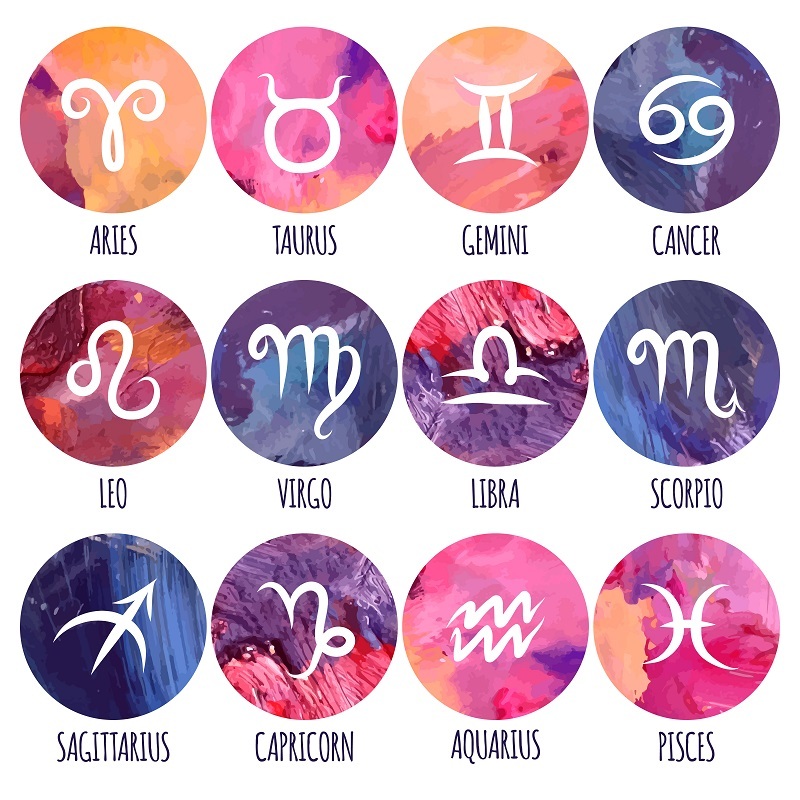
Birth Flowers and Zodiac Signs: Layered Symbolism
Did you know that each birth flower can further be interpreted alongside your zodiac sign? Integrating astrological symbolism with the meanings of birth flowers can create even richer personal insights:
- Aries (March-April): Daffodils reinforce Aries' renewal and energy.
- Virgo (August-September): Gladiolus and aster together represent diligence and wisdom--core Virgo traits.
- Pisces (February-March): Violet adds a layer of compassion and intuition for Pisces natives.
Layered interpretations like these deepen your connection to your birth flower and its symbolism.
How to Celebrate and Honor Your Birth Flower
- Floral Tattoos: Many people now get tattoos of their birth flower as a symbol of their identity and personal journey.
- Gardening: Planting your birth flower links you to the land and seasonal cycles.
- Writing: Poems, stories, or journals exploring your flower's emblem can unlock creativity and self-expression.
- Jewelry: Flower-shaped pendants or charms serve as subtle reminders of your inner qualities.
Let your birth flower emblem inspire you to honor your individuality and nurture your unique spirit in ways that are meaningful to you!
Frequently Asked Questions About Interpreting Birth Flower Symbolism
- Can I have more than one birth flower?
Yes! Some months have multiple blooms. April has both daisies and sweet peas; December features both narcissus and holly. Choose the bloom that resonates most--it's all about personal symbolism. - Is my birth flower the same as my birthstone?
No, though both traditions link you to your birth month, each item has its own symbolism and historical roots. - Are there any negative symbols?
Most flower associations are positive, but some cultures may attribute cautionary meanings. For example, yellow carnations can signal disappointment in Victorian floriography, though now they're often seen as cheerful.
Conclusion: Interpreting Your Birth Flower's Emblem for Modern Life
Each flower gifted by the calendar is more than a botanical marker--it's a key to wisdom, personal growth, and connectedness. By interpreting the symbolism of your birth flower, you unlock centuries of myth, meaning, and beauty. Whether you're drawn to a daisy's simplicity or the layered symbolism of the rose, let your birth month's bloom serve as an emblem of your essence--a reminder to live authentically, celebrate your milestones, and nurture your relationships.
Embrace the language of flowers, and let your birth flower's emblem be a guiding thread through all seasons of your life!
```Latest Posts
How to Ensure Poinsettias Flourish in Your Home
The Top 12 Blooms that Outlast the Rest
Interpret Your Birth Flower's Symbolism and Understand Its Emblem