The Intriguing Life of Tulips: Discover 7 Facts You Didn't Know
Posted on 19/06/2025
The Intriguing Life of Tulips: Discover 7 Facts You Didn't Know
Tulips are among the world's most beloved and recognizable flowers. With their vibrant colors, graceful shapes, and fascinating history, these blooms have captivated gardeners, artists, and flower enthusiasts for centuries. But how much do you really know about the life of a tulip? In this comprehensive guide, we'll delve into the hidden wonders of tulips and reveal seven incredible tulip facts that are sure to surprise you!

Table of Contents
- 1. Tulips Traveled From the Wilds of Central Asia
- 2. The Netherlands Didn't Invent Tulips--But They Perfected Them
- 3. The Surprising Science of Tulip Colors and Patterns
- 4. Tulips Bloom Once a Year--But Their Bulbs Can Live for Decades
- 5. Tulips Have Deep Symbolism Across Cultures
- 6. The Tulip Has Inspired Art, Literature, and Festivals Worldwide
- 7. Growing Your Own Tulips Is Easier Than You Think
- Other Fascinating Tidbits: Beyond the 7 Surprising Facts
- Final Thoughts: The Enduring Magic of Tulips
1. Tulips Traveled From the Wilds of Central Asia
Many people associate tulips with the picturesque fields of the Netherlands, but their fascinating story begins much farther east. The origin of tulips can actually be traced back to the rugged mountains and steppes of Central Asia, particularly in regions that are now part of Kazakhstan, Uzbekistan, and surrounding areas.
- Tulipa species grew wild in harsh, arid environments, withstanding intense temperature fluctuations.
- Nomadic tribes admired their beauty and practicality--some species' bulbs are even edible in emergencies.
From the Silk Road to Ottoman Gardens, tulips made their way to the courts of Persia and the Ottoman Empire (present-day Turkey), where they became status symbols of wealth and sophistication. The name "tulip" is believed to derive from the Persian word for turban, "dulband", due to the flower's resemblance to the traditional headwear.
Did You Know?
Wild tulips still bloom in mountainous areas of Central Asia, displaying a huge variety of forms and colors rarely seen in cultivated types.
2. The Netherlands Didn't Invent Tulips--But They Perfected Them
Tulip cultivation in Holland began in the late 16th century when Carolus Clusius, a botanist at the University of Leiden, received bulbs from a friend in Constantinople. Fascinated by their exotic beauty, he began experimenting with tulip propagation and sparked a floral revolution.
- Tulip mania--the first recorded economic bubble--erupted in the 1630s. At the height of the craze, rare tulip bulbs could fetch prices higher than a house in Amsterdam!
- The Dutch developed sophisticated breeding and growing techniques, making the Netherlands the tulip capital of the world.
- Today, the country exports over 3 billion tulip bulbs annually, sending color around the globe.
3. The Surprising Science of Tulip Colors and Patterns
One of the most fascinating facts about tulips lies in their vivid array of colors and spectacular patterns. But did you know that some of these effects are the result of a mysterious virus?
- Breaking tulips--coveted for their striking streaks and feathered color patterns--were revealed to be infected with the tulip breaking virus (TBV).
- This virus, spread by aphids, disrupts pigmentation, resulting in unpredictable and spectacular designs.
- Although highly prized during Tulip Mania, these tulips are fragile and less robust than healthy varieties.
Modern breeders now create safe and sustainable color patterns through conventional hybridization rather than viral infection, allowing enthusiasts to enjoy vibrant tulip blossoms of nearly every hue.

4. Tulips Bloom Once a Year--But Their Bulbs Can Live for Decades
Unlike many annual flowers, tulips are perennial bulb plants, storing nutrients in their underground bulbs to survive harsh winters and render fresh blooms each spring. However, not all tulips are created equal:
- Wild and species tulips reliably return year after year, often multiplying over time.
- Many popular hybrid tulips are bred for large, spectacular flowers but may require lifting and replanting for best results each season.
- With proper care, some tulip bulbs can persist in gardens for 10 years or more!
Tip: To ensure long-lived tulip displays, choose perennial or botanical tulip varieties and plant them in well-drained soil.
5. Tulips Have Deep Symbolism Across Cultures
The meaning of tulips has evolved over centuries, and these blooms hold special significance in many cultures:
- In Ottoman Turkey, tulips symbolized paradise on earth and appeared frequently in art and poetry.
- During the Dutch Golden Age, tulips were a status symbol, representing wealth, beauty, and luxury.
- Today, tulips often symbolize perfect love, renewal, and the arrival of spring.
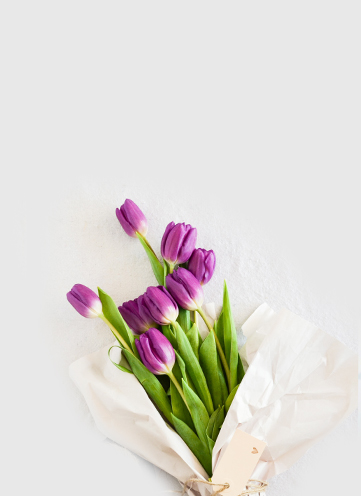
- Each tulip color carries its own message--red for true love, yellow for cheerfulness, white for forgiveness, and purple for royalty and elegance.
Tulips are popular choices for weddings, celebrations, and commemorations, reflecting their enduring place in human hearts throughout the ages.
6. The Tulip Has Inspired Art, Literature, and Festivals Worldwide
The irresistible beauty of tulips in bloom has captivated not just gardeners but also artists and writers throughout history:
- Dutch Masters such as Rembrandt and Jan Brueghel immortalized tulips in their still-life paintings.
- Novels and poems--from the Ottoman era to modern times--feature tulips as metaphors for fleeting beauty, passion, and luxury.
- Global tulip festivals celebrate the bloom: famous examples include Keukenhof Gardens in the Netherlands, Canadian Tulip Festival in Ottawa, and Skagit Valley Tulip Festival in Washington State, USA.
Visiting a tulip festival in spring is a chance to witness millions of blooms in dazzling arrangements--a once-in-a-lifetime experience!
7. Growing Your Own Tulips Is Easier Than You Think
You don't have to be a professional gardener to enjoy tulips in your own home or garden. Here are some basic steps for successful tulip cultivation:
- Choose healthy bulbs: Select large, firm tulip bulbs from reputable suppliers. The bigger the bulb, the bigger the blossom!
- Plant in autumn: Tulip bulbs need a period of winter chill to bloom. Plant 6-8 inches deep and 4-6 inches apart, pointed end up.
- Use well-draining soil: Tulips dislike soggy conditions. Sandy or loamy soil ensures healthy roots and prevents rot.
- Add fertilizer: Mix in compost or bulb fertilizer for better growth.
- Let foliage die back naturally after blooming. The leaves feed the bulb for next year's flower.
Pro Tip: For continuous color, plant early, mid, and late-season tulip varieties together.
Other Fascinating Tidbits: Beyond the 7 Surprising Facts
- The highest concentration of species tulips--over 150--grow in a narrow range stretching from Spain to China. Their incredible diversity feeds modern breeding programs.
- During World War II's Dutch Hunger Winter, tulip bulbs were eaten as a last resort to prevent starvation. They are technically edible but lack flavor.
- The "black tulip"--a legendary quest for growers--is especially challenging to breed. While some very deep purple-black varieties exist, a true, jet-black tulip remains rare.
Final Thoughts: The Enduring Magic of Tulips
From the windswept mountains of Central Asia to grand European estates and everyday home gardens, tulips have traversed continents and centuries, enchanting everyone in their path. Whether you're admiring a painter's masterpiece, walking among colorful rows at a festival, or nurturing bulbs in your own backyard, the unique life story of the tulip adds depth and wonder to their fleeting beauty each spring.
Next time you pause to admire a tulip's vibrant bloom, remember: beneath its serene surface lies a tangled history of adventure, science, and culture--all part of the intriguing life of tulips.
Explore More About Tulips:
- Tulip origins and species information
- Visit Keukenhof Gardens, the world's largest tulip park
- Gardening Tips for Tulip-Lovers
If you've enjoyed learning these tulip facts, share this article or subscribe for more fascinating floral stories!