Superior Care Techniques for Delicate Cut Flowers
Posted on 23/06/2025
Cut flowers can brighten a space, elevate a mood, and infuse any room with the spirit of nature. Yet, for those who love fresh blooms, one challenge always persists: prolonging the vibrancy and freshness of delicate cut flowers. Whether they're a heartfelt gift, a memento from the garden, or a luxurious purchase from the florist, understanding how to properly care for fragile flowers is essential. This comprehensive guide delves into expert techniques for keeping your delicate cut flowers looking superior for as long as possible.
Understanding the Nature of Delicate Cut Flowers
Before diving into superior care options, it is important to realize what makes some flowers exceptionally delicate. Species such as peonies, sweet peas, hydrangeas, tulips, and ranunculus are known for their beauty but also their fragility. Their petals bruise easily, stems are sensitive to bacteria, and they are susceptible to dehydration. Knowing this, we must customize our approaches for optimal cut flower care.
Key Features of Delicate Cut Blossoms
- Thin petals and stems: These are susceptible to wilting and damage.
- High water content: Flowers like hydrangeas and tulips require more water to stay turgid.
- Sensitivity to temperature: They can lose vibrancy quickly in fluctuating conditions.
- Vulnerability to bacteria: Dirty water or tools can drastically shorten their lifespan.
With these characteristics in mind, the following superior care strategies will guarantee that even the most delicate fresh blooms shine for days or weeks.
Preparation: The First Steps For Prolonged Freshness
Proper preparation is half the battle in extending the life of fragile cut flowers. Whether you've just brought them in from the garden or unwrapped a store-bought bouquet, attention in these early stages will make all the difference.
1. Gather Your Tools
- Sharp, sterilized pruning shears or scissors
- Clean, appropriately-sized vase
- Fresh, cool water
- Flower food (commercial or homemade)
- Optional: A clean bucket for stems while preparing
2. Immediate Hydration
Upon receiving or cutting your flowers, immediately place them in a bucket of cool, clean water. This reduces stress and allows the blooms to begin rehydrating after transport or harvest.
3. Trimming Stems Correctly
Using sterile, sharp shears, cut 1-2 inches off the stems at a 45-degree angle under running water or submerged. This prevents air from entering the stem's vascular system and maximizes water uptake. Re-trim stems every 2-3 days for best results.
Essential Water Care for Delicate Flowers
Water is key to vitality in delicate bouquets. But not all water is created equal, and small errors in water management can have big impacts.
The Importance of Clean, Filtered Water
- Always fill the vase with lukewarm, filtered water if possible. Tap water with high chlorine or fluoride may stress fragile stems.
- Change the vase water every 2 days at minimum, daily for the most vulnerable flowers.
- Rinse the vase thoroughly between water changes to eliminate any microbial buildup.
Utilizing Flower Food
Most bouquets come with a sachet of flower food. This contains the right balance of nutrients and biocides to help fragile varieties stay perky.
- Follow packet directions carefully for dilution.
- For a homemade solution, mix 1 tsp sugar, 1 tsp lemon juice, and a few drops of bleach per quart of water.
Sugar provides energy, while acid and bleach prevent bacterial growth--both critical for keeping soft-stemmed flowers fresh.
Temperature, Light, And Placement For Maximum Longevity
Where you position your arrangement is as important as how you hydrate it. Many delicate flower types are highly sensitive to environmental factors.
- Keep arrangements out of direct sunlight and excessive heat. Sunlight accelerates wilting and increases water loss.
- Avoid drafts, air conditioning, and heating vents. Fluctuating air currents stress flowers, especially those with thin petals.
- Chill, but don't freeze. Some particularly sensitive varieties (tulips, sweet peas, ranunculus) benefit from overnight refrigeration in a non-food fridge to prolong their lifespan. DO NOT freeze, as this irreparably damages petals and leaves.
Special Considerations For Humidity
Delicate flowers such as hydrangeas thrive in humid environments. If your indoor air is particularly dry:
- Mist blooms gently with filtered water (avoid misting if the flower type is susceptible to fungal growth).
- Group arrangements together to create a micro-humid zone.
Extraordinary Handling Techniques For Delicate Florals
Certain handling tips make a world of difference for delicate cut flowers. Extending their vase life is about minimizing damage and stress at every stage.
Optimal Handling Do's and Don'ts
- Do handle flowers by their stems, not petals. Petals bruise easily upon contact.
- Do remove all foliage below the waterline. Leaving leaves submerged creates a breeding ground for bacteria, which can quickly suffocate delicate stems.
- Do provide support for weak stems. Use floral wire or place a grid across the vase opening for flowers that droop easily.
- Don't overcrowd your vase. Crowding compresses stems and increases chance of bruising and decreased air circulation.
- Don't expose flowers to ripening fruits. Many fruits (such as apples and bananas) release ethylene gas, which accelerates flower aging.
Superior Techniques For Specific Delicate Flowers
Caring for Hydrangeas
- Submerge wilted hydrangea heads in a sink of cool water for 10-15 minutes if they begin to droop. They absorb water through the bloom as well as the stem.
- Crush the ends of the woody stems with a hammer to improve water uptake.
Preserving Peonies
- Pick peonies in the "marshmallow stage" - when buds are soft but not fully open.
- Wrap stems in slightly damp paper towels and refrigerate if not using immediately.
Tulip Care Tips
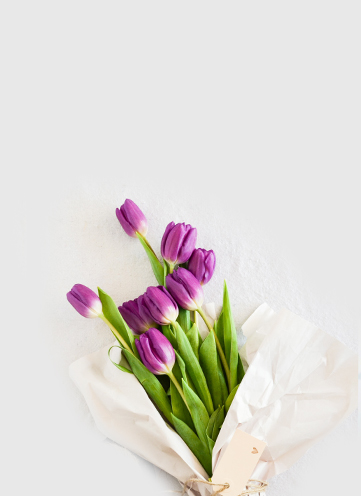
- Wrap bunches in paper and stand upright in cool water for the first two hours. This prevents stems from bending.
- Prevent the "droop" by adding a pinch of sugar to the water and limiting exposure to heat and direct sunlight.
Tips for Sweet Peas & Ranunculus
- Recut stems daily and use only shallow water in the vase; replace water frequently.
- Support weak stems discreetly with chicken wire inside the vase or with floral tape grids.
Special Note on Fragrant Blooms (Gardenias, Lilies, etc.)
Fragrant flowers are often delicate and require gentle misting but not oversaturation. Remove pollen from lily stamens to reduce staining and prolong petal life.
Additional Pro Care: Homemade Solutions & Interventions
DIY Flower Preservative Recipes
- Mix 1 quart water, 2 Tbsp lemon juice, 1 Tbsp sugar, and 1/2 tsp bleach. Stir thoroughly before adding your stems.
- Alternatively, a splash of clear carbonated soda (not diet) offers sugar and acid for cut flowers.
These combinations nourish, balance pH, and fight bacteria, a formula essential for delicate cut flower arrangements.
Rescue Remedies for Drooping Blooms
- Hot water treatment: For roses or poppies, dip stem ends in hot water (not boiling) for 10-20 seconds before placing back in cool water. This clears air blockages.
- Submerging and soaking: Submerge fully wilted stems (hydrangeas, lilacs) in the bathtub or a large basin for 30-60 minutes before returning to the vase.
Extra care at the first sign of wilt can dramatically increase vase life.
Extending Display and Storage for Event Arrangements
If preparing centerpieces or bouquets for an event, timing and storage can make or break presentation quality.
- Prepare arrangements as close to event time as feasible.
- Store finished arrangements in a cool, dark, humidified room or refrigerated floral cooler.
- Mist arrangement lightly and cover gently with a plastic bag or dome (not touching petals) to retain moisture.
Remember to remove protective covers and top off water before display.
Frequently Asked Questions: Superior Care for Fragile Cut Blooms
Why do my tulips droop even in clean water?
Tulips naturally seek light and may curl or droop. Keeping them in a tall vase, wrapping in paper initially, and maintaining cool temperatures helps them stand upright.
Should I refrigerate all delicate cut flowers?
Most, but not all, delicate blooms benefit from cool storage. However, avoid prolonged cold for tropical or heat-loving species, which prefer room temperatures.
Can I use aspirin or coins for extending vase life?
While old methods recommend coins or aspirin, modern flower food or balanced homemade preservative is far more effective for fragile cut flowers.
What are signs of bacterial infection in the vase?
Cloudy water, unpleasant odors, and slimy stems signal bacteria. Immediately change water, clean the vase, and trim stems to restore freshness.
The Lasting Joy of Superior Cut Flower Care
With the right techniques, even the most delicate cut flowers can be enjoyed to their fullest potential. From peonies and hydrangeas to tulips and sweet peas, following superior care practices maximizes vase life, fragrance, and beauty. Pay attention to cleanliness, water changes, environmental conditions, and species-specific tips to transform any bouquet from fleeting to lasting joy.
By mastering these advanced tips, your arrangements of delicate blooms will not only impress visitors but also provide your home or event with enduring, natural elegance.
Let Your Blooms Shine
Whether you're a home floral enthusiast or preparing professional bouquets, these expert care techniques for delicate cut flowers ensure premium results every time. Invest attentively in your beautiful blossoms, and they'll reward you with days of freshness and color beyond expectation.